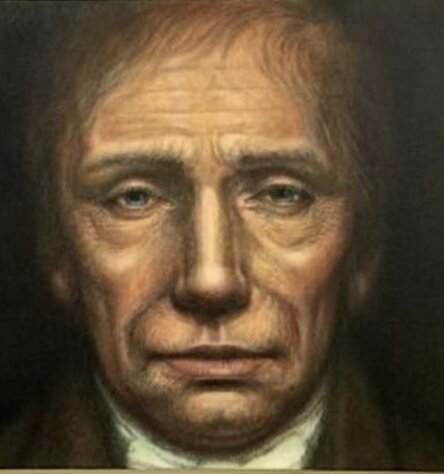
William Wordsworth — portrait after Haydon

William Wordsworth, 1770–1850

www.thewordsworthquartet.com

The Wordsworth
Quartet

Four instruments. One poet's legacy. A unique confluence of nature,
wood, verse, and music — born from the gardens of Rydal Mount.

I listened, motionless and still;
And, as I mounted up the hill,
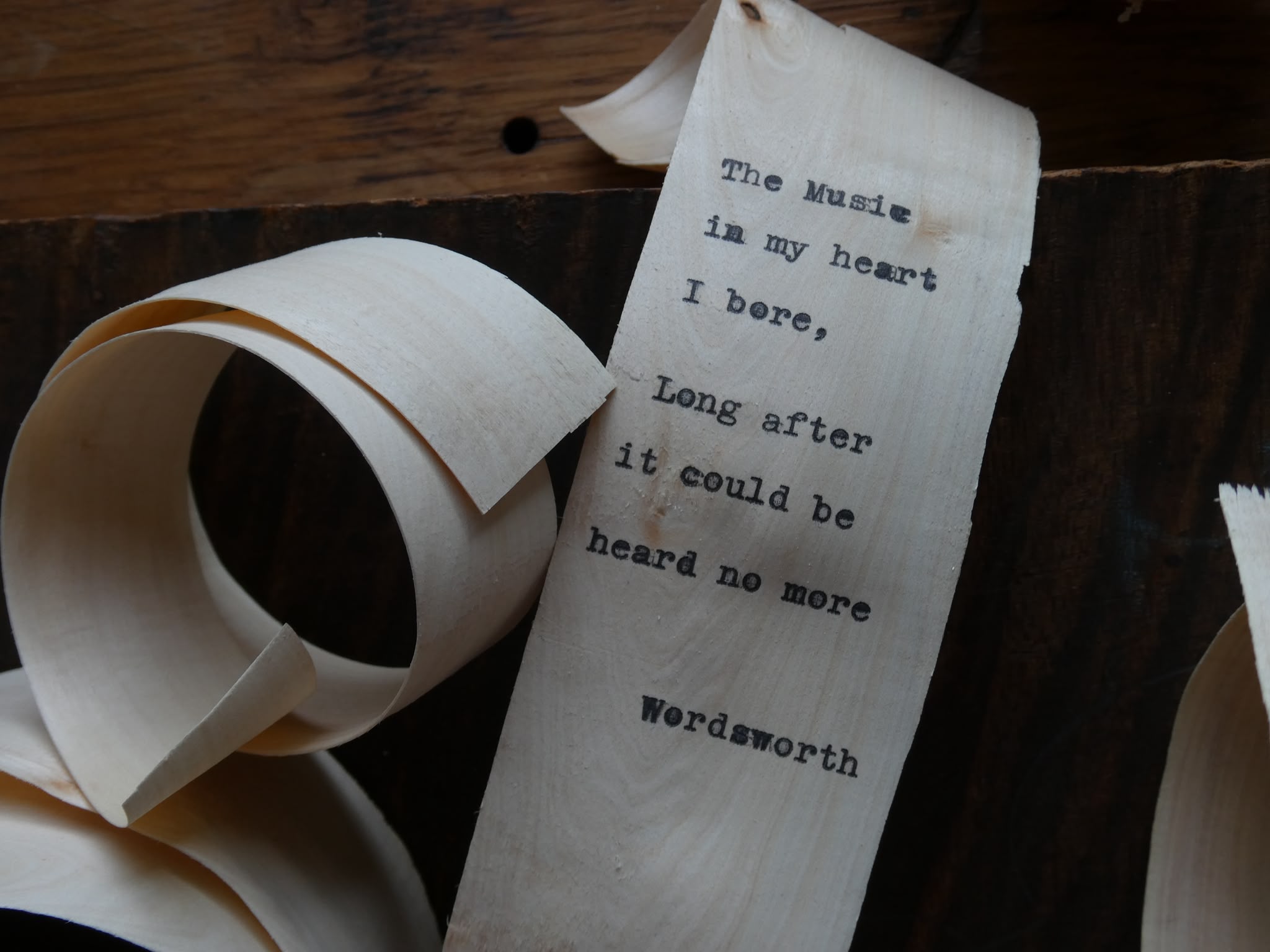
The music in my heart I bore,
Long after it was heard no more.

William Wordsworth, The Solitary Reaper, 1807
Discover the Story ∨   Scroll

A Quartet Unlike Any Other

A World First

The Wordsworth Quartet is believed to be the first decorated set of replica Stradivarius instruments ever assembled — four instruments united not only by their exceptional craftsmanship, but by the profound story woven into their very wood.

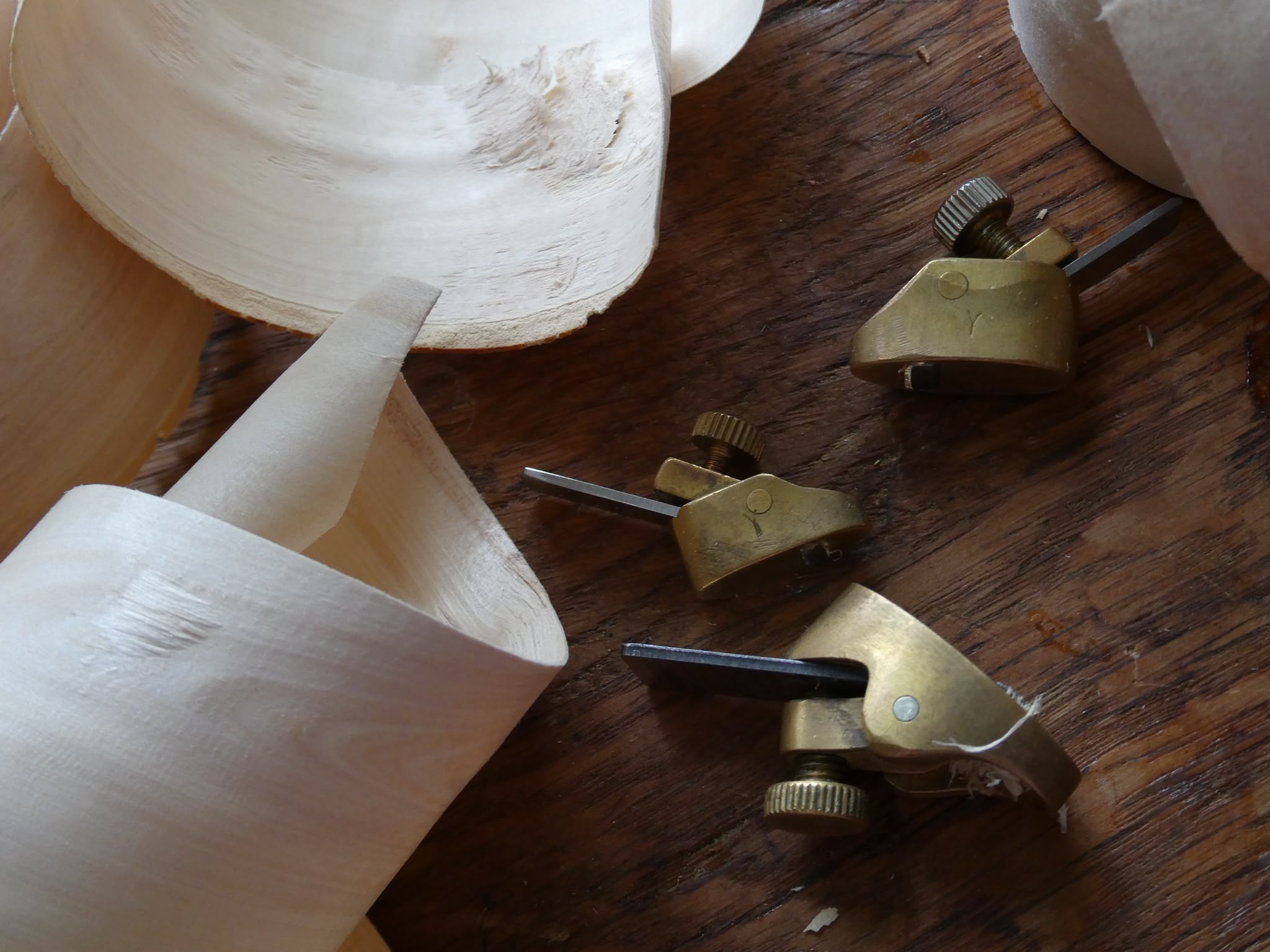
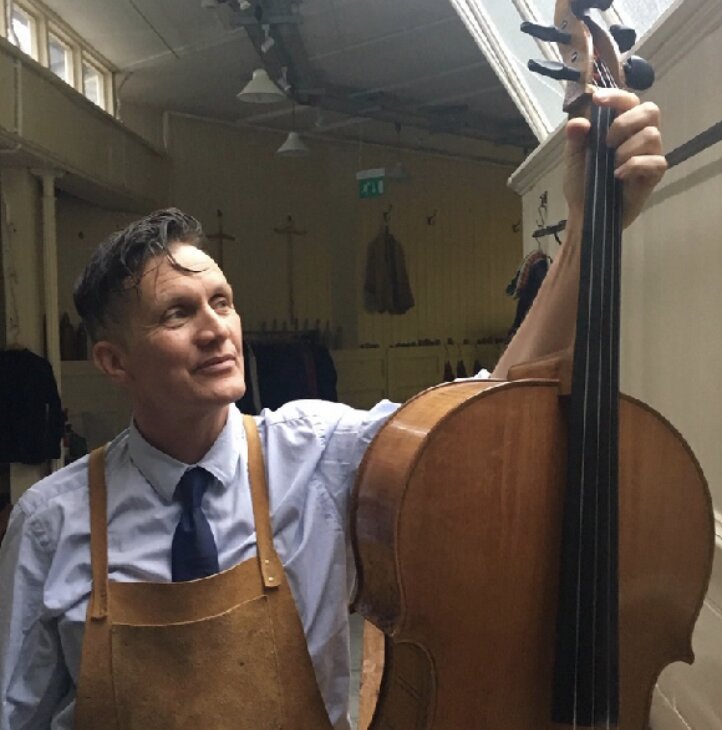
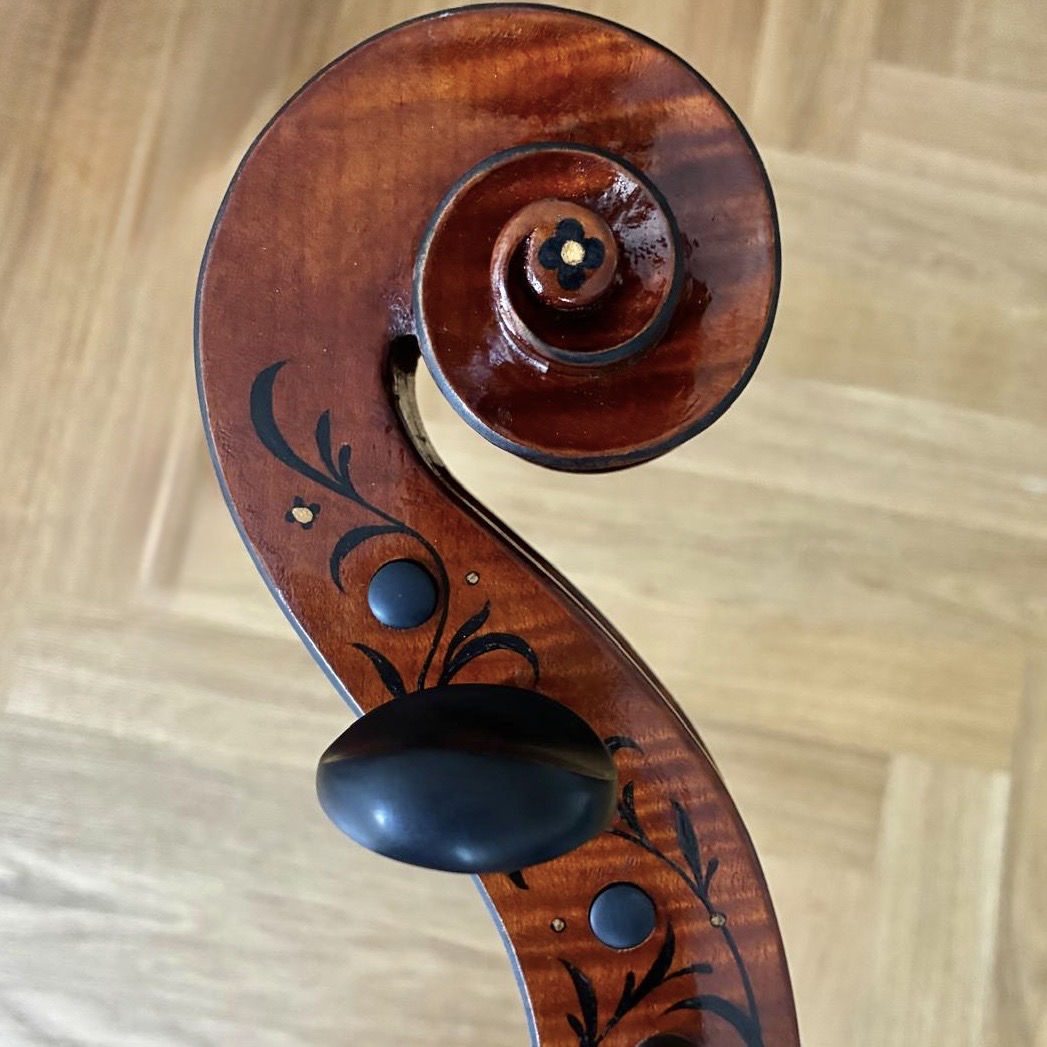
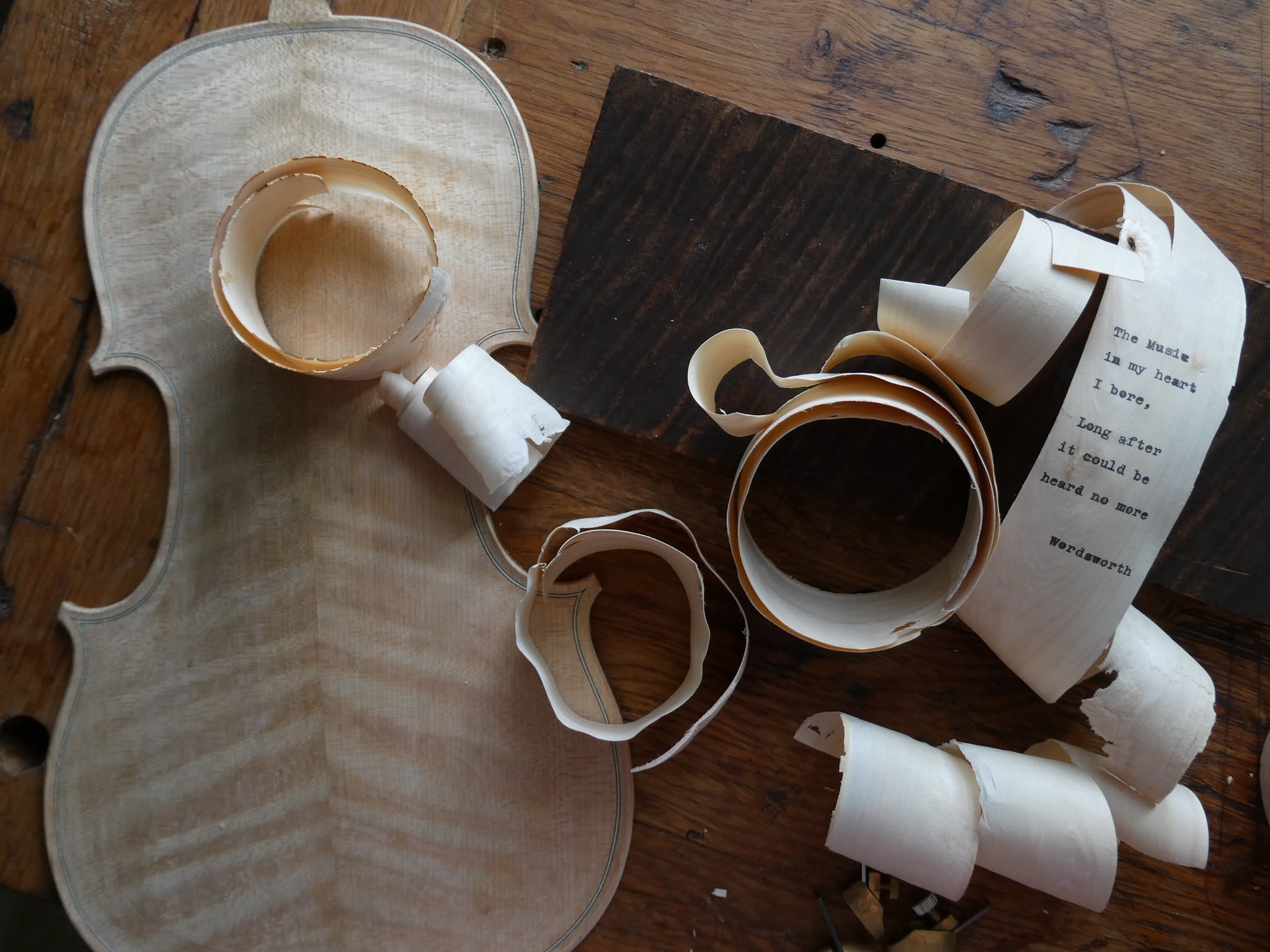
The quartet comprises two violins, one viola, and one cello — each a faithful copy of a masterwork by Antonio Stradivari, crafted by the internationally renowned luthier Robert Brewer Young. What makes these instruments singular, however, is the wood from which they are partly made: timber sourced from trees planted by the Romantic poet William Wordsworth himself, in the garden of his beloved home, Rydal Mount, in the English Lake District.

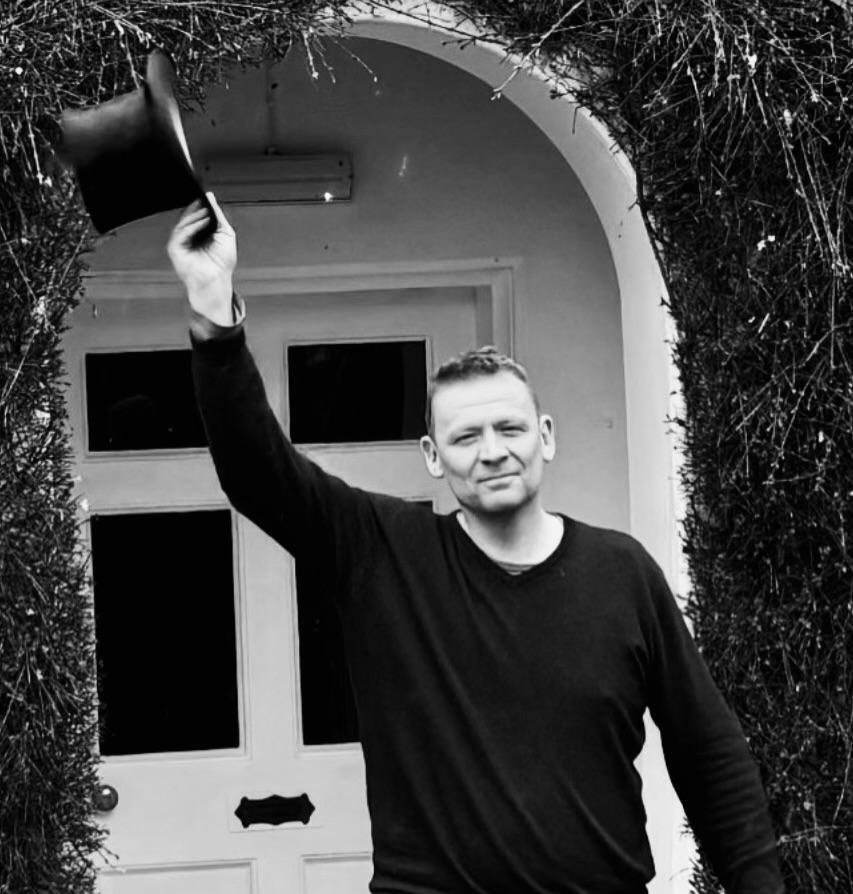
Wordsworth's descendant and part-owner of this extraordinary collection, Christopher Wordsworth Andrew, has played a central role in bringing this quartet into being — ensuring that the spirit of the poet who planted those trees two centuries ago lives on in every resonance of bow on string.

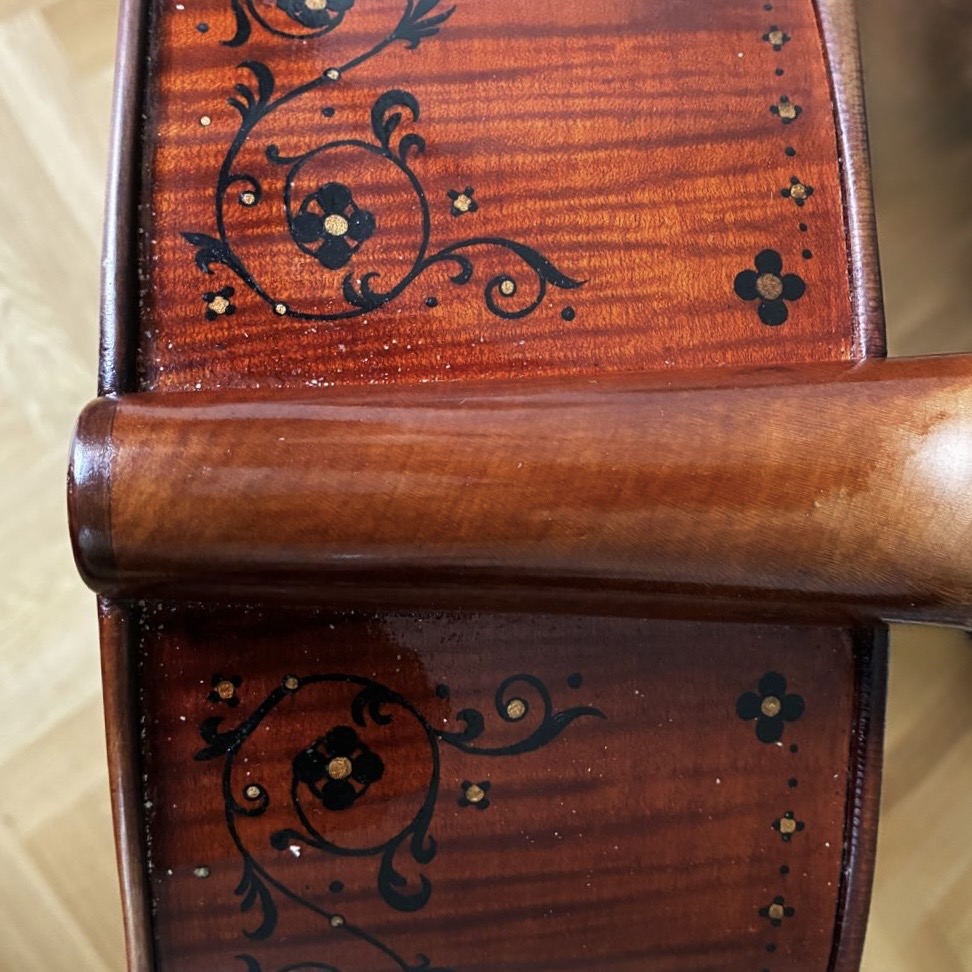
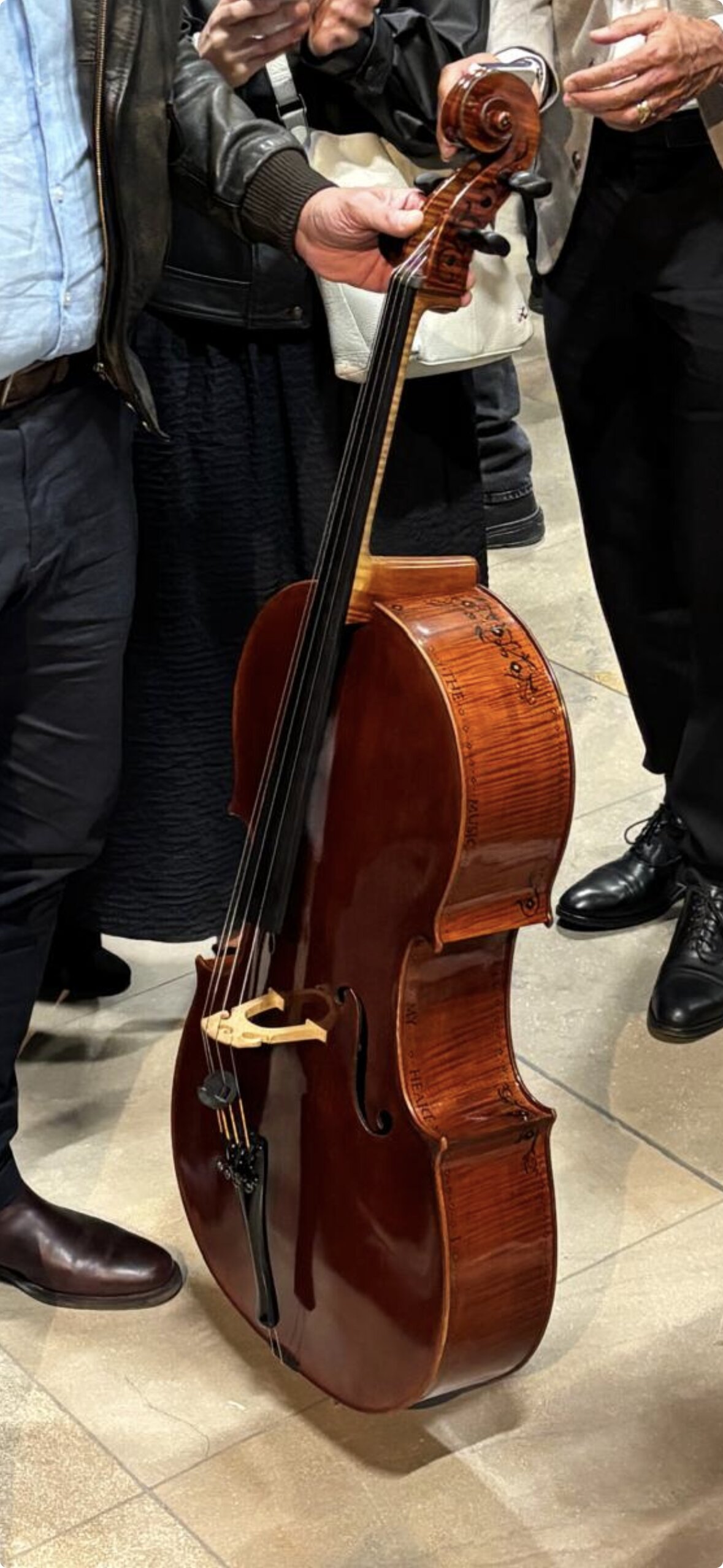
Inscribed upon the instruments are verses from Wordsworth's celebrated poem The Solitary Reaper — lines that speak of song heard and song remembered, of music that outlasts the moment of its making. Together, these four instruments constitute not merely a set of fine concert tools, but a living memorial to one of England's greatest poets.
The Living Wood

Rydal Mount in Ambleside, Cumbria, was Wordsworth's home from 1813 until his death in 1850 — the longest period he lived anywhere. He designed the gardens himself, planting trees and shaping the landscape with as much care as he brought to his verses. It is from this hallowed ground that the wood for the Wordsworth Quartet was sourced.

1807

The Solitary Reaper is published in Poems, in Two Volumes, destined to become one of the most beloved lyrics in the English language.

1813 — 1850

William Wordsworth resides at Rydal Mount, planting trees in the gardens he tenderly cultivates over nearly four decades.

1969

Mary Henderson (née Wordsworth), the poet's great-great-granddaughter, purchases Rydal Mount and opens it to the public — ensuring that Wordsworth's home and garden are preserved for generations to come.

21st Century

Wood from Wordsworth's own trees at Rydal Mount is incorporated into four Stradivarius-model instruments by master luthier Robert Brewer Young — uniting nature, history, and music in a single collection.

2026

Christopher Wordsworth Andrew — the poet's great-great-great-great-grandson — and his brother sell Rydal Mount to the Wordsworth Trust, securing its future as a place of literary pilgrimage. In the same year, the Wordsworth Quartet begins its concert life, with verses from The Solitary Reaper inscribed upon its instruments.

Four Voices. One Vision.

Each instrument is a hand-crafted copy of a specific Stradivarius model, incorporating wood from the Rydal Mount gardens and bearing inscribed verses from The Solitary Reaper. Photographs of the actual instruments will appear here shortly. Placeholder images below.

First Violin
Violin — placeholder image

First Violin

After a Stradivari model. Incorporating Rydal Mount timber.

Second Violin
Violin — placeholder image

Second Violin

After a Stradivari model. Inscribed with verses from The Solitary Reaper.

Viola
Viola — placeholder image

Viola

After a Stradivari model. Wood from the poet's garden at Rydal Mount.

Cello
Cello — placeholder image

Cello

After a Stradivari model. The quartet's deep voice — wood, verse, and song united.

These placeholder images will be replaced with photographs of the actual instruments once available.
All four instruments bear inscribed verses from The Solitary Reaper and were crafted by Robert Brewer Young.

The Solitary Reaper

Behold her, single in the field,
Yon solitary Highland Lass!
Reaping and singing by herself;
Stop here, or gently pass!
Alone she cuts and binds the grain,
And sings a melancholy strain;
O listen! for the Vale profound
Is overflowing with the sound.
No Nightingale did ever chaunt
More welcome notes to weary bands
Of travellers in some shady haunt,
Among Arabian sands:
A voice so thrilling ne'er was heard
In spring-time from the Cuckoo-bird,
Breaking the silence of the seas
Among the farthest Hebrides.
Will no one tell me what she sings?—
Perhaps the plaintive numbers flow
For old, unhappy, far-off things,
And battles long ago:
Or is it some more humble lay,
Familiar matter of to-day?
Some natural sorrow, loss, or pain,
That has been, and may be again?
Whate'er the theme, the Maiden sang
As if her song could have no ending;
I saw her singing at her work,
And o'er the sickle bending;—
I listened, motionless and still;
And, as I mounted up the hill,
The music in my heart I bore,
Long after it was heard no more.

— William Wordsworth, 1807

The Solitary Reaper is one of Wordsworth's most celebrated poems, published in Poems, in Two Volumes in 1807. Inspired by an encounter in the Scottish Highlands, it meditates on the mysterious power of music heard and then carried in memory long after the singer has passed from sight.

It is no accident that verses from this poem were chosen to adorn the Wordsworth Quartet. The poem's very subject — music that transcends its moment, that is borne in the heart long after it is heard no more — speaks directly to what a great instrument does: it carries a song across time.

That the wood of the instruments was grown in Wordsworth's own garden makes the inscribed verses more than decoration. They are, in a sense, the poet's own words returning to his own trees — transformed, across two centuries, into music.

Listen to the poem

Actor Tom Conti recorded a reading of The Solitary Reaper for the Wordsworth 250 anniversary archive. Once you have the specific YouTube link, paste it below to replace the placeholder — it will play directly on this page without leaving the site.

Tom Conti reads The Solitary Reaper for the Wordsworth 250 anniversary archive.

Wordsworth 250 Archive

Robert Brewer Young

Robert Brewer Young is widely regarded as one of the world's foremost contemporary luthiers. Trained in the tradition of the French school in the violin-making studios above Carnegie Hall in New York, he spent years studying, caring for, and listening to the instruments of Stradivari, Guarneri, Amati, Gofriller, and Guadagnini — the great masters of Cremona — as scores of these priceless instruments passed through the atelier.

He is now Director and Head of Scientific Research and Conservation at J&A Beare in London, the leading international violin dealer, and divides his working life between London and Cremona. He was recently Artist in Residence at the Fondazione Casa Stradivari in Cremona.

His instruments are played by soloists and in orchestras worldwide — including members of the New York, Los Angeles, Stockholm, and Paris Philharmonics, and by musicians associated with Yo-Yo Ma's Silk Road Project. His approach combines exacting 17th-century Cremonese methods with the most advanced contemporary acoustic science.

It was Young who conceived and executed the Wordsworth Quartet: four instruments in the spirit of Stradivari, incorporating wood from the gardens of Rydal Mount and adorned with verses from The Solitary Reaper — a project he believes to be without precedent in the history of instrument-making.

"No such decorated quartet of replica Stradivarius instruments has, to our knowledge, ever been assembled before."

The Stradivarius Tradition

Antonio Stradivari (c. 1644–1737) of Cremona, Italy, is widely considered the greatest luthier who ever lived. Over 650 of his instruments survive, and they remain the benchmark against which all others are measured. Robert Brewer Young's copies honour this tradition through rigorous study of form, wood, geometry, and varnish.

Rydal Mount — The Source

Rydal Mount, near Ambleside in Cumbria, was William Wordsworth's home from 1813 until his death in 1850. He designed the gardens himself and planted many of the trees that still stand there today. Wood from these trees forms part of the Wordsworth Quartet.


Visit Rydal Mount →

Where the Music Has Sounded

The map below will chart the Wordsworth Quartet's concert journey. Each pin marks a performance — click to discover the venue, the programme, and photographs from the event. Locations, concert links, and images will be added as performances are confirmed and take place.

Map data © OpenStreetMap contributors. Pins will be added as concerts are confirmed.

Beethovenhalle, Bonn

29 May 2026

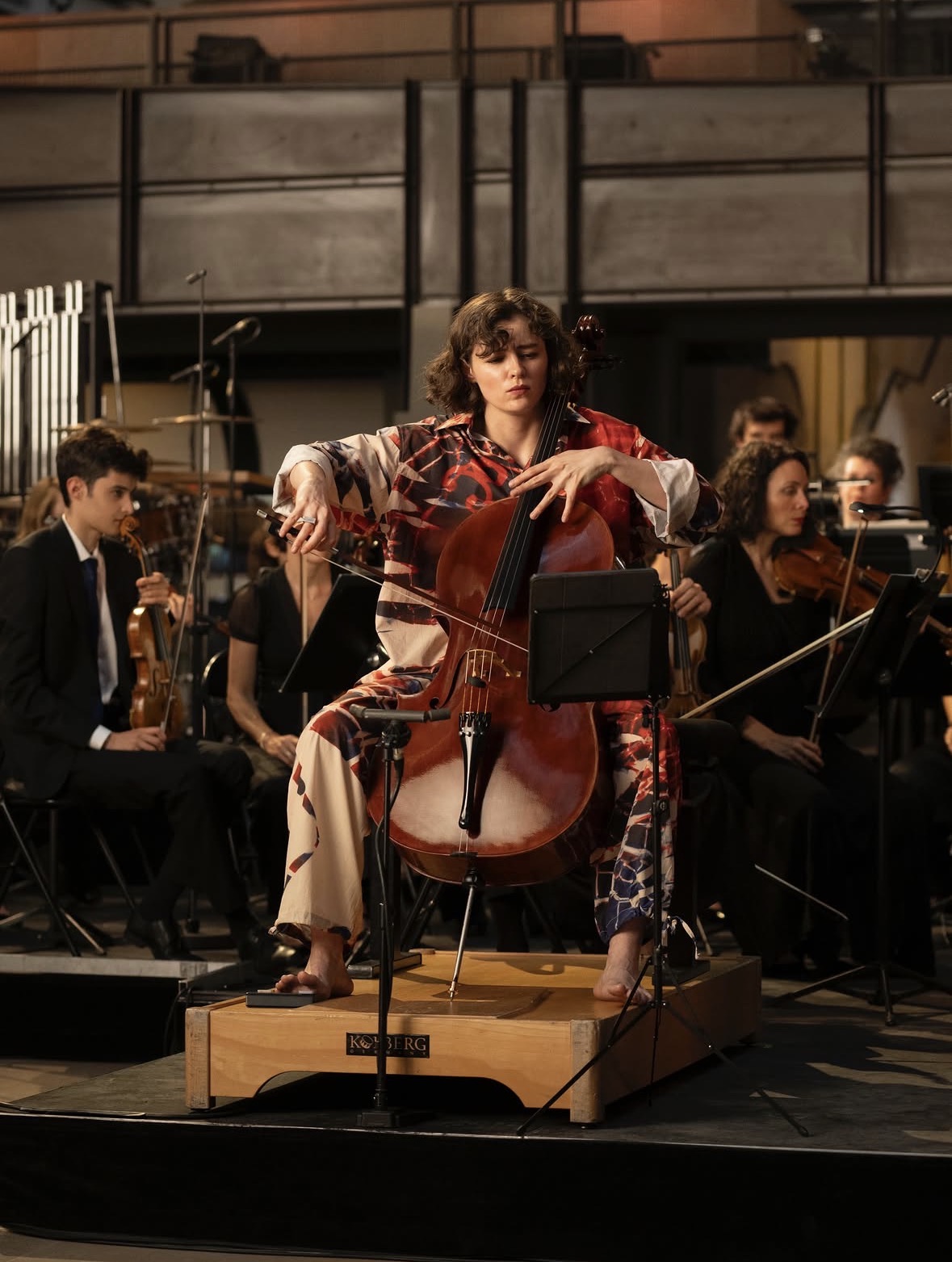
Beethoven Orchester Bonn, cond. Nil Venditti · Anastasia Kobekina, cello · Elgar Cello Concerto · Freitagskonzert 7: Große Bilder

Musée d’Orsay, Paris

2 June 2026

Orchestre de Chambre de Paris, cond. Thomas Hengelbrock · Anastasia Kobekina, cello · World premiere: Thierry Escaich · Museum’s 40th Anniversary

Église Saint-Denis, Méry-sur-Oise

4 June 2026

45th Festival d’Auvers-sur-Oise · Anastasia Kobekina, cello · Jean-Sélim Abdelmoula, piano · Boulanger, Brahms, Rachmaninov, Franck

KKL Luzern, Lucerne

10 June 2026

Festival Strings Lucerne, dir. Daniel Dodds (violin) · Anastasia Kobekina, cello · Elgar Cello Concerto

Event photographs and concert recordings will be added here as performances take place.
Please send images and concert details to add to this page.

Christopher Wordsworth Andrew

The quartet's distinctive name, and much of its unique significance, flows directly from the involvement of Christopher Wordsworth Andrew, a descendant of William Wordsworth and part-owner of the collection. His connection to the poet and to Rydal Mount gives the project an authenticity that no amount of scholarship alone could confer.

Christopher's family has been central to preserving and celebrating Wordsworth's legacy — including the Wordsworth 250 project, which brought celebrated actors and public figures together to read Wordsworth's poems for a living archive. Tom Conti was among those who participated.

That a direct descendant of the poet should be part-owner of instruments made from the very trees Wordsworth planted, inscribed with his words, and named in his honour, is perhaps the most eloquent endorsement the Wordsworth Quartet could ask for.

Get in Touch

For enquiries about concerts, performances, instrument hire, or press and media requests concerning the Wordsworth Quartet, please use the contact details below.

info@thewordsworthquartet.com
Rydal Mount → Robert Brewer Young → Wordsworth 250 →